
The Constitution of India is often seen as a formal legal document, but its true significance goes far beyond written laws. It is a living framework that shapes how a nation thinks, functions, and evolves. The Constitution defines not only the structure of governance but also the values that guide everyday life in a democratic society.
At its core, the Constitution stands for justice, liberty, equality, and fraternity. These principles are not meant to remain confined to courtrooms or textbooks. They are intended to guide daily behavior, influence decision-making, and shape how citizens treat one another. When these values are practiced in everyday life, the Constitution becomes a way of living rather than a set of rules.
The rights granted by the Constitution empower citizens, but they also come with responsibilities. Freedom of expression, equality before the law, and the right to practice one’s beliefs thrive only when exercised with respect and accountability. A strong republic depends on citizens who understand that rights and duties exist in balance.
The Constitution promotes inclusivity by protecting diversity. It recognizes the importance of allowing different cultures, languages, and beliefs to coexist while maintaining unity. This respect for diversity strengthens social harmony and encourages mutual understanding. Living by the Constitution means honoring differences while standing together as one nation.
In everyday life, constitutional values appear in simple actions—respecting laws, treating others with dignity, rejecting discrimination, and standing up for fairness. These choices, though small, reflect a commitment to democratic principles. When citizens act with integrity, the Constitution finds expression beyond institutions and into communities.
Education plays a vital role in making the Constitution a lived reality. Understanding its principles helps individuals become informed, responsible citizens. Awareness fosters participation, and participation strengthens democracy. A society that values constitutional knowledge ensures that its democratic foundation remains strong.
The Constitution is also a guide during times of conflict or change. It provides a stable framework for resolving differences through dialogue and law rather than force. This ability to adapt while remaining rooted in core values is what makes the Constitution a living document.
For the youth of the nation, the Constitution offers direction and purpose. It encourages critical thinking, equality of opportunity, and respect for democratic ideals. When young people embrace these values, they carry the spirit of the Constitution into the future.
In a rapidly changing world, constitutional principles remain relevant. They remind us to protect freedoms, uphold justice, and promote social responsibility. Progress that ignores these values risks losing its moral foundation. True development aligns growth with ethics and inclusion.
Republic Day serves as a reminder of this commitment. It marks not only the adoption of the Constitution but also the promise to live by its ideals. Celebrating this day is an opportunity to reflect on how closely our actions align with constitutional values.
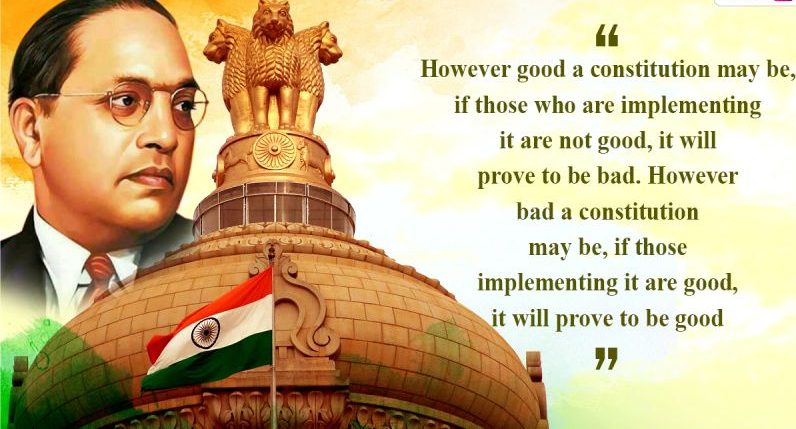
The Constitution is not enforced by words alone—it is sustained by the conduct of its citizens. When people choose fairness over bias, dialogue over division, and responsibility over convenience, they bring the Constitution to life.
The Constitution is not just a document—it is a way of life. It lives in our choices, our interactions, and our commitment to democratic values. By practicing its principles daily, we strengthen the republic and ensure a just, inclusive, and united future for generations to come.