
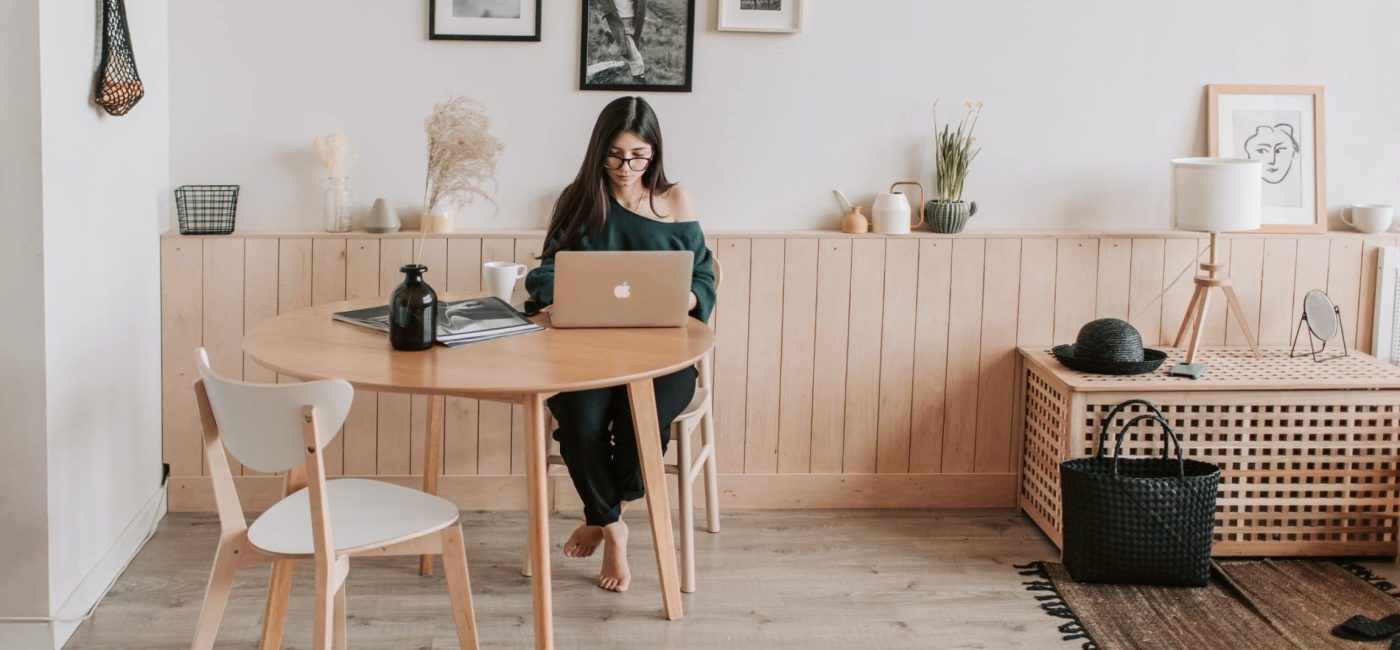
In today’s world, our minds are overloaded with information, choices, responsibilities, and endless distractions. Everywhere we look, there is something demanding our attention—notifications, advertisements, social media updates, and the pressure to keep buying, achieving, and doing more. This constant noise creates stress without us even realizing it. Minimalism is not just about owning fewer things; it’s about allowing your mind to breathe. It’s the idea that when you remove the unnecessary, you make space for the meaningful. And in a world filled with mental clutter, having less can become the greatest gift you give yourself.
Many people think minimalism means living with almost nothing, but it’s really about keeping only what matters. It’s choosing quality over quantity. It’s realizing that the latest phone won’t bring lasting happiness, but peace of mind will. When you simplify your environment, you also simplify your thoughts. A clean room brings a calmer mind. A decluttered phone reduces pressure. A simplified to-do list creates clarity. Every small step away from excess is a step closer to inner peace. The less you carry, the lighter your life feels.
We live in a culture that celebrates accumulation. More clothes, more gadgets, more decor, more apps, more everything. Yet despite having so much, people feel emptier than ever. This is because constant consumption doesn’t fill emotional needs; it only distracts us from them. Minimalism asks an important question: Do you really need everything you’re holding onto? Often, we keep things out of fear—fear of missing out, fear of not having enough, fear of letting go. But letting go creates room for growth. When you release the things that no longer serve you, you make space for new energy, new habits, and new opportunities.
Minimalism also helps you focus on what truly matters. When you stop trying to do everything, you can finally give your full attention to the things that align with your purpose. Instead of juggling ten goals, you choose two and pursue them with passion. Instead of talking to dozens of people, you choose a few meaningful relationships and nurture them. Instead of chasing every trend, you choose what feels authentic to you. Modern life pulls us in too many directions, and minimalism gently guides us back to ourselves. It teaches us that peace comes from prioritizing the right things, not everything.
The digital world is another area where minimalism can transform your life. Our phones are overloaded with apps, messages, photos, and content we don’t even remember saving. Every notification pulls your mind away from the present moment. Digital minimalism is about reducing this noise—unfollowing accounts that drain you, deleting apps you don’t use, turning off unnecessary alerts, and choosing to consume content intentionally. When your phone becomes quieter, your mind becomes calmer. And when your mind becomes calmer, your life becomes happier.
Minimalism also helps reduce emotional clutter. Many people hold onto relationships that drain them, habits that hurt them, or responsibilities that overwhelm them. Emotional minimalism is the courage to let go of what harms your mental well-being. It’s choosing boundaries over guilt, self-respect over people-pleasing, and peace over drama. Letting go doesn’t mean you stop caring; it means you start caring about yourself too. When you remove emotional clutter, your heart feels lighter, healthier, and more open to joy.
One of the most powerful effects of minimalism is the freedom it brings. When you stop attaching your identity to possessions, you stop chasing things that don’t matter. Your value no longer comes from what you own but from who you are. You spend less time cleaning, organizing, maintaining, and worrying about things, and more time creating memories, growing your skills, caring for your mental health, and connecting with people you love. Minimalism gives you time—the one thing you can never buy back.
Minimalism is also about slowing down in a world that moves too fast. Instead of rushing from task to task, you learn to appreciate small moments. A peaceful morning. A quiet cup of tea. A walk without distractions. A day without overwhelming plans. These moments aren’t just breaks; they become healing rituals for the mind. When life is simple, joy becomes easier to notice. When your mind is calm, gratitude becomes your natural state.
While minimalism sounds simple, it takes courage. Letting go is not easy. We get emotionally attached to things, people, and habits that no longer align with who we are becoming. But every time you remove something unnecessary, you are telling the universe that you are ready for what truly matters. Minimalism is not about losing; it is about gaining. You gain clarity, confidence, peace, and a deeper connection with yourself. The process might feel uncomfortable at first, but the peace that follows is life-changing.
Minimalism doesn’t happen overnight. It’s a slow, intentional practice. You can start small—clean one corner of your room, delete five apps, create breathing space in your schedule, or speak kindly to yourself. Each tiny shift brings you closer to mental freedom. Over time, you realize that you don’t need more to feel complete. You only need enough. And enough is different for everyone. Minimalism is personal; it’s not about following rules, but about finding your own balance.
As you simplify your life, you begin to understand what truly gives you peace. You stop chasing external validation and start listening to your inner voice. You stop trying to impress and start trying to live. You stop filling your life with noise and begin appreciating silence. Minimalism becomes less about removing objects and more about revealing yourself—your values, your strengths, your real desires. And that is where true peace begins.
In the end, minimalism is not a lifestyle trend; it’s a mindset shift. It teaches you that happiness doesn’t come from more things, but from more clarity. More presence. More meaning. More moments lived deeply. When you choose to live with less, you gain more of what matters—peace, freedom, time, and joy. A simple life isn’t a boring life; it’s a complete life. And in a world that constantly pushes you to want more, choosing minimalism is one of the most powerful acts of self-love.